Low Emission Zone Monitoring: Lessons from Catalonia’s 38-Station Network
In Catalonia, a regional transportation authority now has 38 Bettair stations dedicated to low emission zone monitoring, measuring whether its Low Emission Zones actually clean the air. The same question is coming to U.S. cities, and the same technology is already proven in New York.
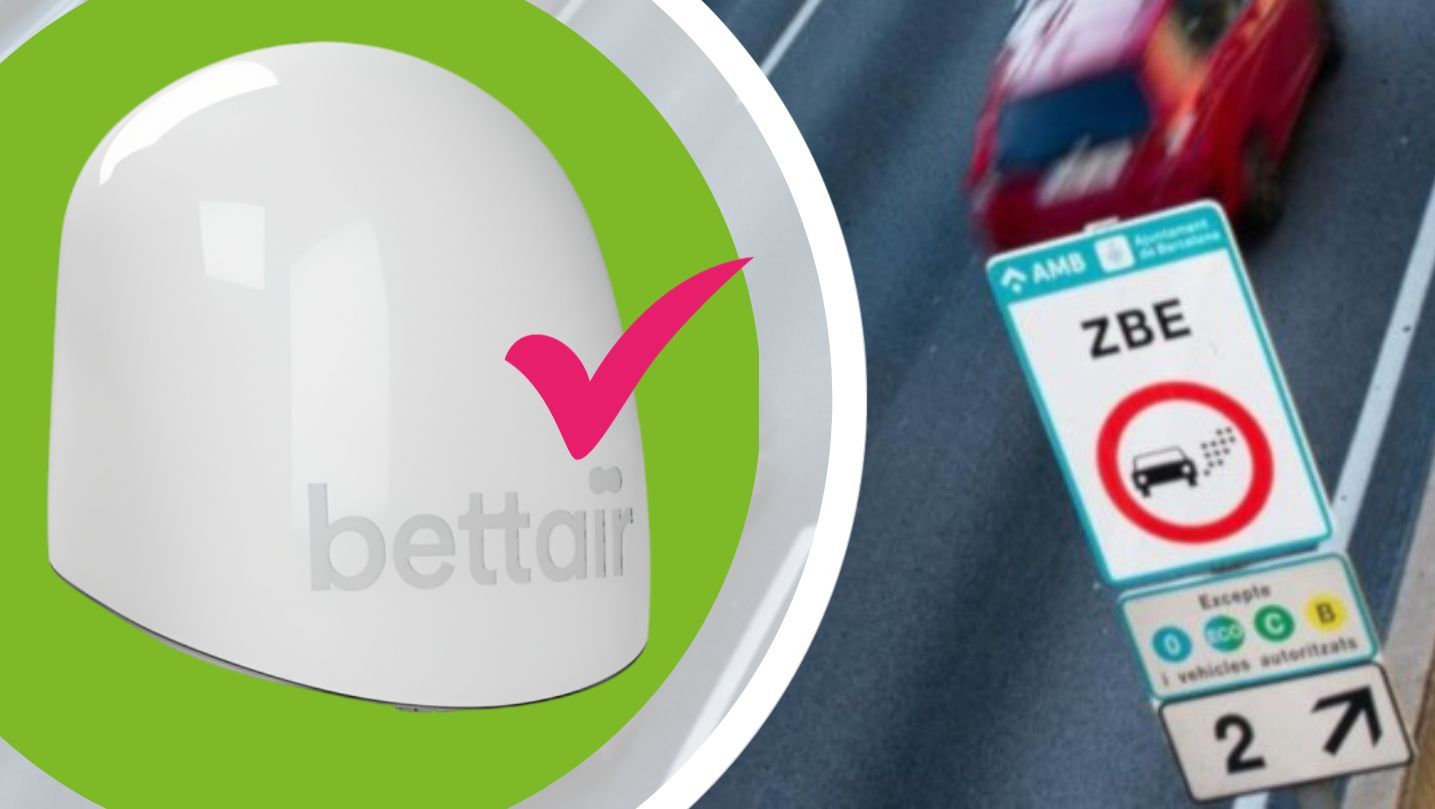
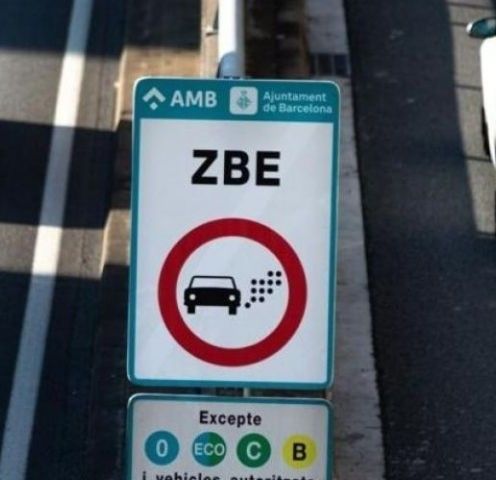
The Autoritat del Transport Metropolità (ATM), the transportation authority for the Barcelona region, has completed one of Europe’s most ambitious digital programs for Low Emission Zones (LEZs), built around low emission zone monitoring. Funded by the European Union’s Next Generation EU program, it gives participating municipalities a single platform to manage their zones, and a network of 38 Bettair air quality and noise stations, supplied and installed by dnota, to measure their impact.
The work was completed in June 2026. As a result, the ATM has certified that it was carried out satisfactorily.
Why U.S. cities should pay attention to low emission zone monitoring
U.S. cities are increasingly using traffic and curb policies to tackle congestion and emissions, from New York’s congestion pricing program, launched in Manhattan in January 2025, to zero-emission delivery zones and community-level air monitoring efforts. However, they all face the same question Catalonia set out to answer: is the policy actually improving the air people breathe?
Evidence, not estimates
Continuous, street-level data on air quality and noise, so agencies can verify policy outcomes instead of relying on models alone.
One regional network
A single platform and monitoring network for many municipalities, instead of isolated city-by-city systems.
Complements reference monitors
Regulatory stations remain essential. However, distributed sensors add neighborhood-level detail between them.
Restricting traffic is the policy. Proving the air got cleaner is the result.
Low emission zone monitoring in Catalonia and New York: same questions, same technology
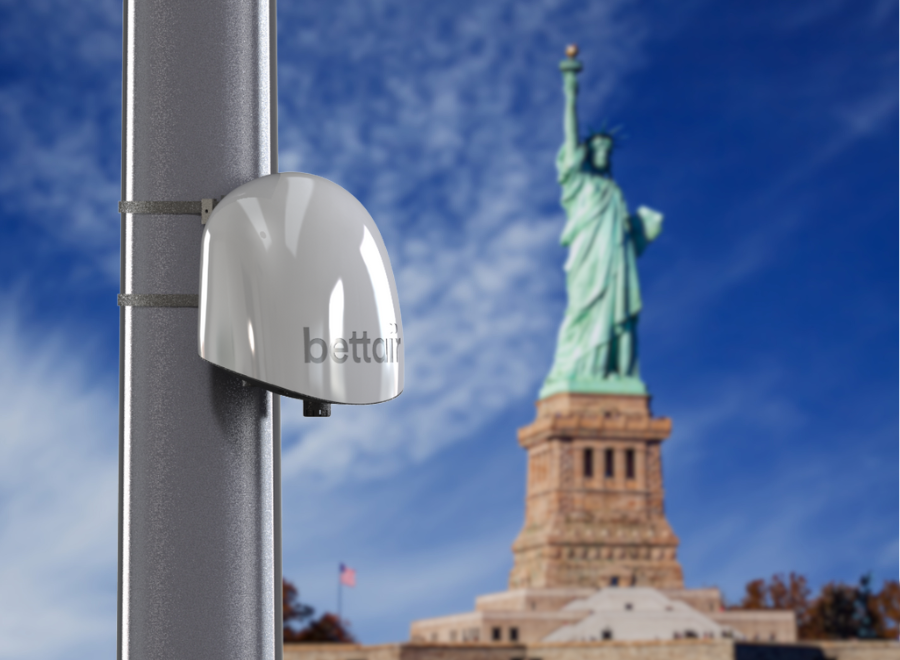
In fact, Bettair has already been put to work by public agencies on both sides of the Atlantic. Although the two projects differ in scale and purpose, they share the same core: trusted, continuous data in the hands of the public sector.
Already proven in New York
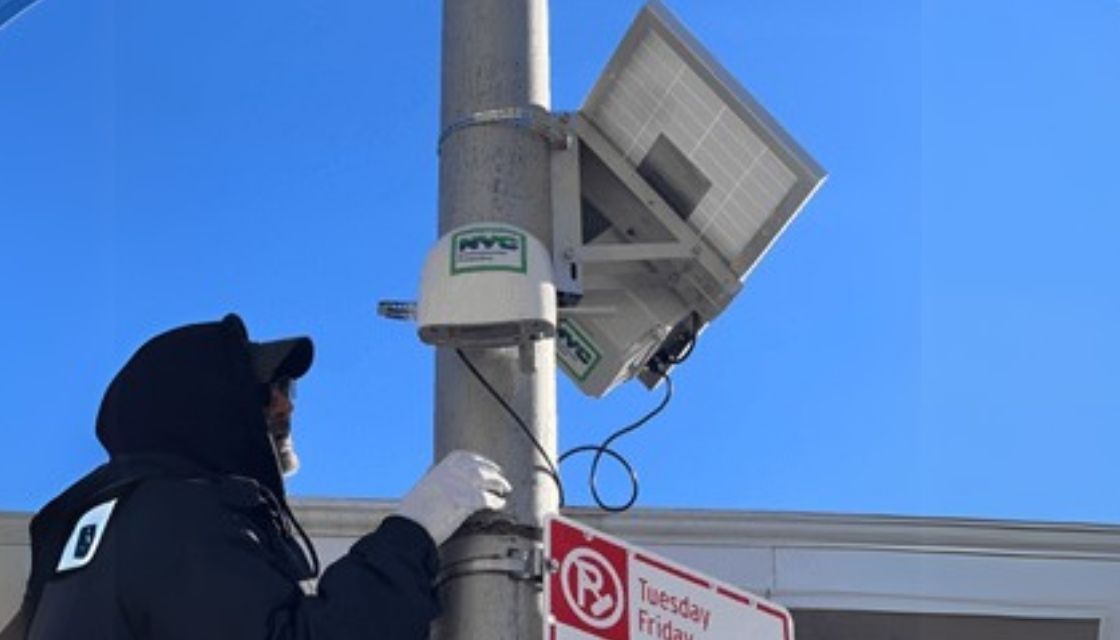
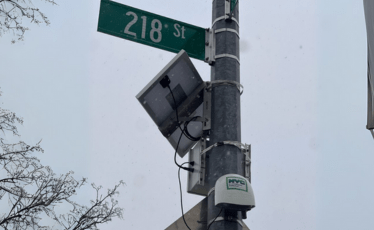
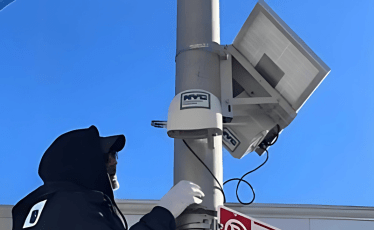
As part of the Environmental Tech Lab 2024, NYC DEP deployed Bettair sensors in Queens and the Bronx. As a result, the agency automated the collection and validation of air quality data, reduced routine field inspections and improved response times with real-time alerts.
Read the NYC DEP story →How Catalonia’s low emission zone monitoring network was built
After preliminary studies, each municipality chose the number of stations that best fit its needs and urban layout:
Independently validated: 9 AIRLAB awards
Besides, the stations installed in Catalonia use the same technology that won 9 awards at the AIRLAB Microsensors Challenge 2025, organized by AIRLAB Solutions and Airparif.
Out of 47 sensor models tested over months in real-world conditions, Bettair achieved the best overall result in all four test environments: Paris, Accra, Bangalore and underground rail stations in Île-de-France. Therefore, for agencies writing specifications or evaluating bids, that is third-party evidence, not vendor claims.
See the AIRLAB results →
AIRLAB Microsensors Challenge 2025
Lessons for U.S. agencies on low emission zone monitoring
Catalonia’s approach to low emission zone monitoring offers a practical blueprint for U.S. cities, transit authorities and regional planning bodies preparing congestion, curb or clean-air policies.
Moreover, measuring from the start makes it possible to compare before and after, explain results to residents and adjust policies with confidence.
About dnota Air Quality Corp.
Because of that, dnota Air Quality Corp. brings Bettair technology and dnota’s air quality expertise to North America, from reference-grade instrumentation to high-resolution distributed networks for cities, industry, transportation and infrastructure. Based in Coral Gables, Florida.
Planning a congestion, curb or clean-air policy?
Talk to us about measuring its impact with Bettair, whether you start with a pilot or a regional network.